
 Available in US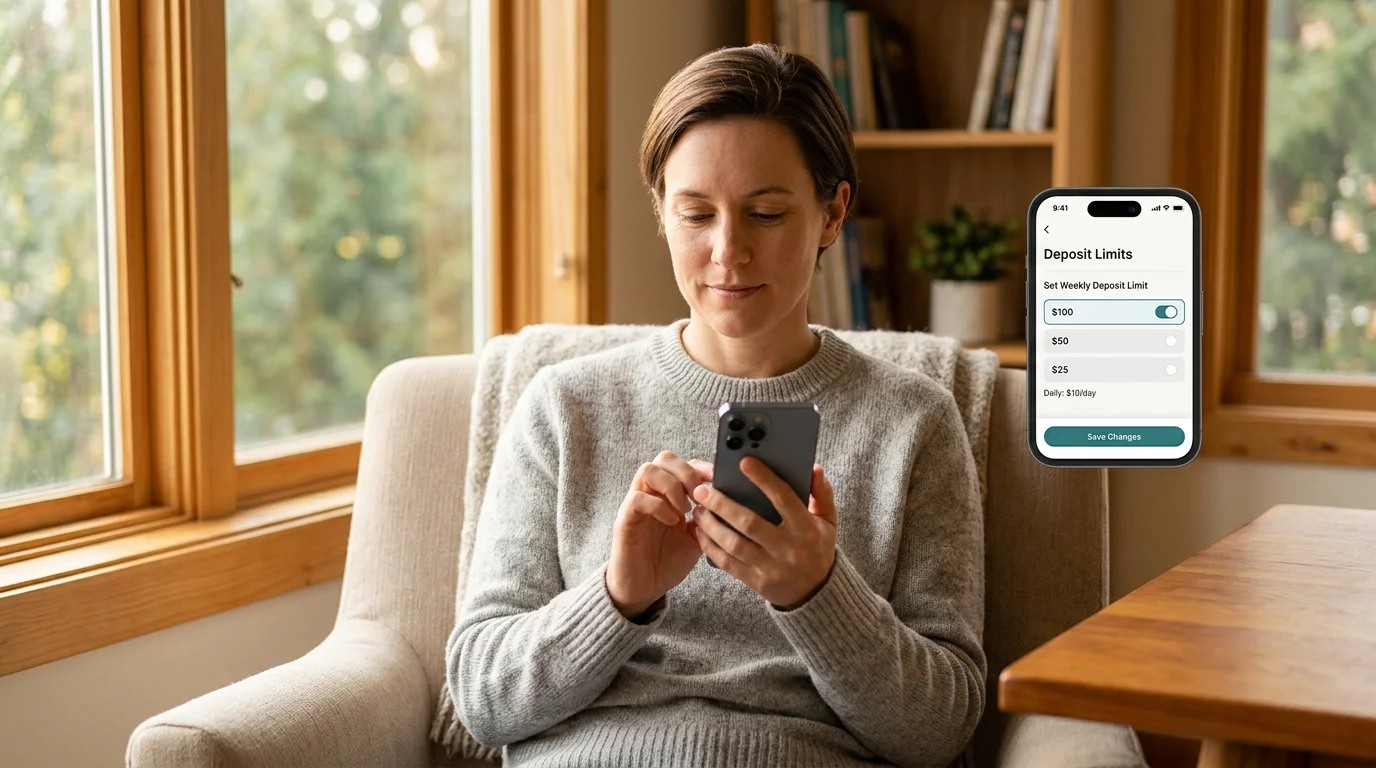
Responsible gambling tools exist because betting, for a minority of people, stops being entertainment and becomes a problem. According to the Gambling Commission’s survey data, 2.7% of British adults — approximately 1.4 million people — score 8 or above on the Problem Gambling Severity Index, the threshold for problem gambling. Among men the figure is 6%; among 18-to-24-year-olds, it approaches 10%. These are not abstract statistics. They represent real people losing money they cannot afford, and the tools that keep betting enjoyable are the mechanisms designed to prevent that slide from happening — or to stop it once it has started.
This guide covers the practical tools available at every UKGC-licensed bookmaker, how to activate them, and where to find help if you need it. There is no lecture here — just a clear explanation of what each tool does and how it works.
Responsible Gambling Tools — More on this topic at horse betting bonus.
Deposit Limits, Time-Outs and Reality Checks
Deposit limits. Every UKGC-licensed bookmaker allows you to set a maximum amount you can deposit in a day, a week, or a month. Since October 2025, all operators are required to prompt new customers to set a deposit limit before their first deposit — this is mandatory, not optional. From June 2026, operators must offer deposit limits based exclusively on deposit amounts. The limit can be lowered at any time and takes effect immediately. Raising the limit requires a cooling-off period (typically 24 to 72 hours) to prevent impulsive increases during a losing session. A daily deposit limit of, say, £20 means you cannot deposit more than £20 in any 24-hour period, regardless of how many times you try. It is a hard stop, enforced by the operator’s systems.
Loss limits. Distinct from deposit limits, loss limits cap the net amount you can lose over a defined period. Not all operators offer this as a separate feature — some bundle it into the deposit limit functionality — but where available, it adds a layer of protection. A weekly loss limit of £50 means that once your cumulative losses reach £50, the operator restricts further betting until the next period begins.
Time-outs. A time-out is a voluntary short-term break from gambling. You can set a time-out for 24 hours, 48 hours, 7 days, or 30 days, depending on the operator. During the time-out, you cannot log in, place bets, or deposit funds. Any pending bets continue to be settled, but you cannot place new ones. Time-outs are useful if you recognise that you are chasing losses or betting more than you planned — they create an enforced pause without the longer commitment of self-exclusion.
Reality checks. These are pop-up notifications that appear after a set period of continuous activity — typically every 30, 60, or 120 minutes. The notification tells you how long you have been logged in and how much you have deposited or wagered during the session. It interrupts the flow of betting just long enough to prompt a conscious decision about whether to continue. You can dismiss the notification and carry on, but the interruption itself is the point — it breaks the autopilot.
The data on youth gambling adds urgency to these tools. Gambling Commission research found that 30% of young people aged 11–17 spent their own money on gambling in 2025, up from 27% the prior year. Andrew Rhodes, Chief Executive of the Gambling Commission, has stressed the importance of using survey evidence to understand risk profiles among those who gamble most frequently, and has encouraged operators to apply these findings to their own customer bases. The tools described above are part of the response — imperfect, but meaningfully better than no intervention at all.
GamStop and Self-Exclusion
GamStop is the national self-exclusion scheme for online gambling in the UK. When you register with GamStop, you are blocked from all UKGC-licensed online gambling sites and apps for a minimum period of your choosing: six months, one year, or five years. The block is comprehensive — it covers sports betting, casino, bingo, poker, and lottery products across every participating operator.
The registration process takes approximately five minutes. You provide your name, date of birth, email, and address — the same details held by your bookmaker accounts. GamStop uses this information to match against operator databases and trigger the exclusion. Once activated, you will be unable to log in, place bets, or deposit funds at any participating site. Marketing communications from those operators should also cease.
There are important practical consequences. If you have outstanding bets at the time of registration, those bets will be settled normally — you will still receive any winnings due. However, you will not be able to place new bets or withdraw funds during the exclusion period unless you contact the operator directly (some allow one-time withdrawals of remaining balance during exclusion). Any active bonuses or pending free bets will typically be forfeited.
At the end of the chosen period, the exclusion does not automatically lift. You must actively request removal by contacting GamStop, and there is a further 24-hour cooling-off period before your accounts become accessible again. This deliberate friction is designed to prevent a hasty return to gambling after a period of abstinence.
A limitation of GamStop is that it only covers UKGC-licensed operators. Unlicensed sites — including offshore sportsbooks and crypto casinos — are not part of the scheme. This is one of the strongest practical arguments for betting exclusively with licensed operators: the safety net of GamStop only works if all your gambling activity falls within its scope.
Individual bookmaker self-exclusion is also available independently of GamStop. You can self-exclude from a single operator without blocking yourself from others. This is useful if your issue is specific to one site or one product — if, for example, you find yourself overspending on a particular operator’s casino product but are comfortable with your sports betting elsewhere.
Where to Get Help
GambleAware (gambleaware.org) is the leading UK charity for gambling harm prevention. Their website offers self-assessment tools, information about treatment options, and links to local support services. GambleAware funds the National Gambling Treatment Service, which provides free, confidential support.
See also Affordability Checks UK Betting.
The National Gambling Helpline (0808 8020 133) is free, confidential, and available 24 hours a day, seven days a week. It is operated by GamCare and staffed by trained advisors who can provide immediate support and referral to treatment services. You can also access the helpline via live chat at gamcare.org.uk.
GamCare provides counselling, both online and face-to-face, for anyone affected by gambling — including family members and friends of people with gambling problems. Treatment is free and confidential.
Gordon Moody offers residential treatment programmes for people with severe gambling addictions. Their programmes run for 12 to 14 weeks and are fully funded. They also offer online group therapy and relapse prevention support.
If you recognise any signs that your gambling is moving beyond entertainment — spending more than you planned, chasing losses, hiding your betting from people close to you, or feeling anxious when you are not gambling — these services are available immediately and at no cost. Using them is not a sign of failure. It is a practical step taken by people who want to stay in control.
Disclaimer. Gambling involves risk. Only bet what you can afford to lose. All offers mentioned are subject to change and carry terms and conditions set by individual operators. You must be 18 or over to open a betting account in the United Kingdom. If you feel your gambling is becoming a problem, contact GambleAware or call the National Gambling Helpline on 0808 8020 133.
